Free Shipping Over $80
Easy Return Within 30 Days
24/7 Online Live Chat



My Bag

Where are the world's most magical crystal-producing locations?
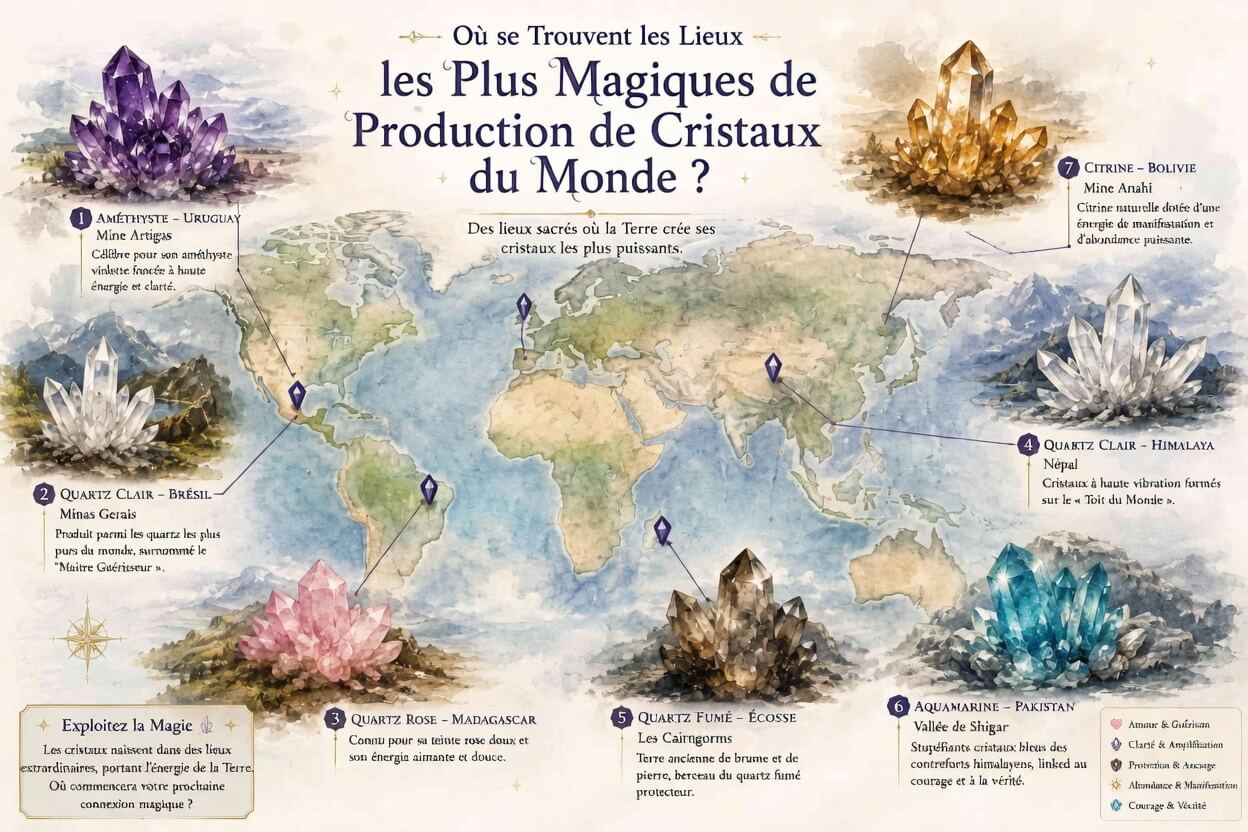
Have you ever wondered where the crystal bracelet on your wrist was originally mined from, in which corner of the Earth?
Some places became true "crystal treasure troves" because of a volcanic eruption millions of years ago, a tectonic plate collision, or just the right underground water flow — some places can produce amethyst geodes taller than a person, some places host hundreds of different minerals in a single mine, and there's even a magical town where tourists can dig up their own crystals to take home. Today, let's take a trip around the world to see these real-life "crystal wonderlands."
💜 Uruguay & Southern Brazil, South America: Basalt hiding "amethyst caves"
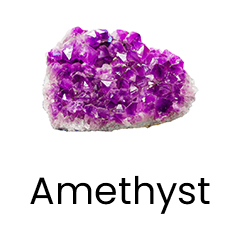
About 130 million years ago, South America experienced a massive volcanic eruption. The molten lava cooled to form vast basalt formations, sealing countless bubble-shaped cavities within. After tens of millions of years of nourishment by underground water, thousands of amethyst crystals slowly grew inside these cavities, eventually forming the world-famous "amethyst geodes" found today in the Artigas region of Uruguay and the Rio Grande do Sul state of southern Brazil.
The most famous one is called the "Uruguay Queen" — standing 3.27 meters tall and weighing 2.5 tons. Standing in front of it feels like walking into a purple crystal cathedral, which is exactly where the term "cathedral geode" comes from. The world record for the largest amethyst geode also comes from this region, with some specimens weighing tens of tons.
⛏️ Arkansas, USA: The small town where you can dig your own crystals
Deep in the Ouachita Mountains of Arkansas, USA, lies a small town with a population of less than a thousand — Mount Ida — which carries a resounding title: "The Crystal Capital of the World."
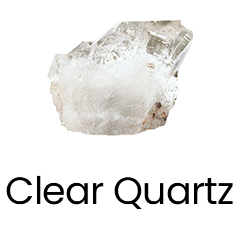
The geological conditions here are extremely special: ancient tectonic collisions folded and compressed the rock layers, allowing silica-rich hydrothermal fluids to seep into the cracks. Over the years, this crystallized into exceptionally clear, high-quality quartz crystals. Even more remarkable, the local area has opened dozens of public crystal mines where anyone can pay a small entrance fee to dig for crystals themselves — and legally take home whatever they find. Every year, "treasure hunters" from all over the world travel here specifically to experience the joy of "digging up treasure with their own hands."
🌍 Tsumeb Mine, Namibia: One mine, over 200 minerals
If there's one mine in the world that deserves to be called an "encyclopedia of minerals," it's the Tsumeb Mine in northern Namibia. Since mining began there in the late 19th century, over 240 different minerals have been discovered, more than 70 of which were first discovered and named in the world right here.
Mineralogists often call Tsumeb "the greatest mineral locality in the world" — from vivid malachite and azurite to rare emerald-green dioptase, the specimens produced here occupy nearly half of the display cases in mineral museums around the globe.
💎 Hpakant, Myanmar: The sole birthplace of top-grade jade
When it comes to jade, it's almost impossible to avoid mentioning the Hpakant region in Kachin State, northern Myanmar. The unique geological conditions here have given rise to the world's finest quality jadeite rough — whether it's the record-breaking "Imperial Green" jade sold at auction, or the jade artifacts treasured in the Forbidden City, most of them can be traced back to this land. Hpakant is truly the sacred site in the hearts of jade lovers worldwide.
🌈 Madagascar: Nature's "crystal treasure chest"
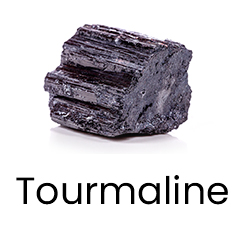
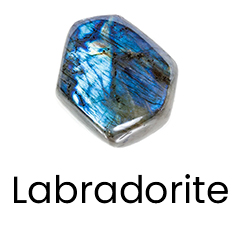
Madagascar, an island off the southeastern coast of Africa, has become almost a "crystal buffet" of nature thanks to its unique and complex geological history: rose quartz, labradorite, tourmaline, morganite... the variety is so rich that collectors can hardly keep up. The labradorite produced here is especially famous — its surface shimmers with a blue-green "moonlight effect" under light, as if the Milky Way had been woven into stone.
🏛️ Ural Mountains, Russia: The "green treasure" favored by the Tsars
In 18th and 19th century Russia, the Ural Mountains were once the favorite gemstone source of the Tsars and nobility. The malachite produced here has rich color and exquisite patterns, deeply loved by royalty — the famous "Malachite Room" in the Hermitage Museum in Saint Petersburg has its walls and columns almost entirely decorated with Ural malachite, a perfect fusion of royal taste and geological gift. This same mountain range is also where alexandrite (a gemstone that changes color depending on the light) was first discovered.
🌏 Earth, the greatest "jewelry designer" of all
From volcanic lava in South America, to ancient mineral veins deep in the African desert, to jadeite rough in Asian rainforests — the birth of every crystal requires extremely special geological conditions, precisely the right chemical elements, and a patient wait of anywhere from a few million to several hundred million years. Once you understand the stories behind these origins, you'll realize that every crystal piece is a truly one-of-a-kind work of art, carefully crafted by the Earth using an incredibly demanding "recipe."
At iFamilyBuy.com, every natural crystal we curate carries its own geological journey. We invite you to visit our official website and find the "gift from the Earth" that truly speaks to you. ✨
Which crystal origin would you most like to visit in person? Let us know in the comments!

Subscribe for exclusive deals and early access to new arrivals, straight to your inbox. By signing up, you agree to our Privacy Policy

 Free Shipping
On Orders $80+
Free Shipping
On Orders $80+
 Easy Return
Within 30 Days
Easy Return
Within 30 Days
 24/7 Online
Live Chat
24/7 Online
Live Chat

Order ID:
Order Time:
Logistics Information: