Free Shipping Over $80
Easy Return Within 30 Days
24/7 Online Live Chat



My Bag

Crystal Trivia That 99% of People Don't Know
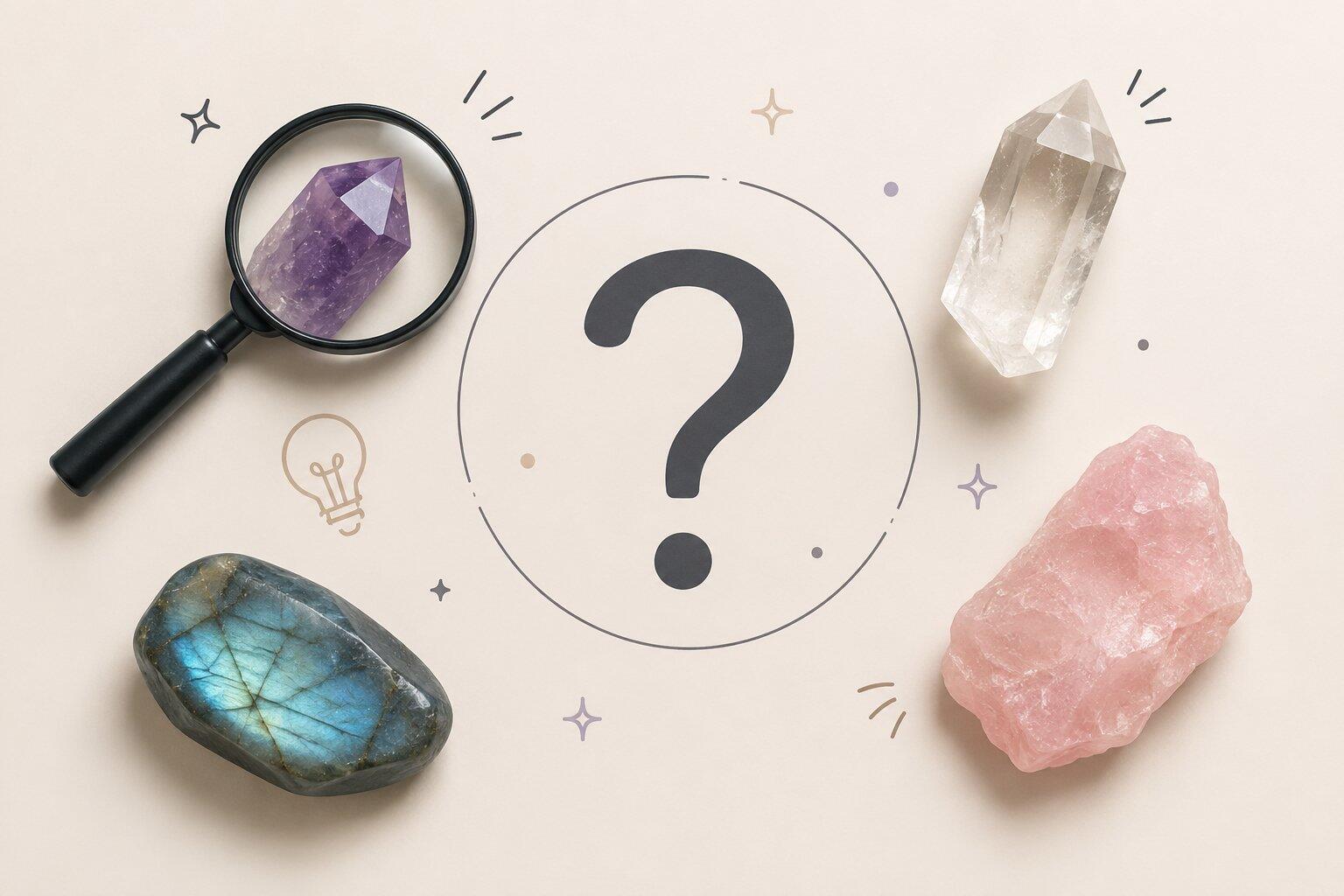
You may already have quite a collection of crystal bracelets, and know their meanings by heart — but do you really understand the stones themselves?
The world of crystals is far more fascinating than just "energy" and "meaning": some crystals are actually "twin siblings," the mystery of some crystals' color took scientists over a hundred years to solve, and some "crystals" aren't even minerals at all. Today, let's look at 8 pieces of crystal trivia that even many seasoned collectors might not know.
1️⃣ Amethyst and Citrine Are Actually "the Same Person"
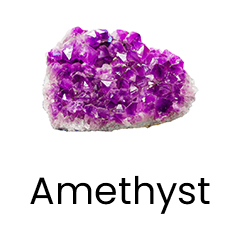
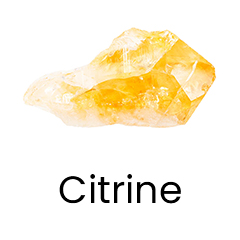
Many people think amethyst and citrine are two completely different gemstones, but in fact, they're both quartz, with identical chemical compositions. The only difference lies in the trace amounts of iron within the quartz, and the natural radiation and temperature it has been exposed to.
Even more interesting: if you heat amethyst to a certain temperature, its color really does turn into the yellow of citrine! Much of the citrine on the market today is actually "baked" amethyst.
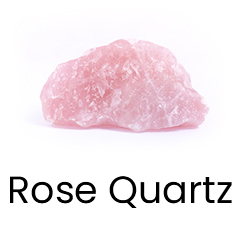
2️⃣ Why Is Rose Quartz Pink? Scientists Debated It for Over a Century
The gentle pink color of rose quartz was long believed to be caused by trace elements like titanium and manganese — a claim that existed in textbooks for over a hundred years. It wasn't until the early 21st century, when scientists used dissolution experiments to re-analyze rose quartz samples, that the real answer was discovered: the color of rose quartz actually comes from densely packed microscopic pink mineral fibers inside it (tiny fibers related to a borosilicate mineral called "dumortierite"), rather than simple elemental doping.
This also explains why rose quartz fades after prolonged sun exposure — these fibers themselves are sensitive to light.
3️⃣ Diamonds and Pencil Lead Have the Exact Same Composition
Almost no one hears this piece of trivia for the first time without being surprised: diamond and graphite (the main component of pencil "lead") are both pure carbon, with identical elemental makeup. The only difference is how the carbon atoms are arranged under extreme pressure and temperature — the same "material" becomes, on one hand, the hardest gemstone in the world, and on the other, one of the softest minerals.
4️⃣ Opal Actually Has Water "Hidden" Inside It
The dreamy play-of-color effect in opal is captivating, but few people know that opal's internal structure actually contains water, which can make up 3% to 21% of its total weight. This is also why opal is more "delicate" than most crystals — drastic temperature changes or prolonged dry environments can cause it to lose internal moisture and crack.
5️⃣ There Might Be a "Crystal" in Your Watch Too
Quartz isn't just a favorite in the jewelry world — it also has a little-known physical property called the piezoelectric effect: when quartz is compressed, it generates a weak electric current; conversely, when electricity is applied, it vibrates at an extremely stable frequency. Because of this, almost all quartz watches and many electronic devices rely on a tiny piece of quartz crystal to "keep time." Next time you check your watch, don't forget — you might be wearing more than one crystal on your wrist.
6️⃣ The Word "Fluorescence" Actually Comes from a Crystal's Name
Fluorite glows with a dreamy fluorescence under ultraviolet light — and this phenomenon was so iconic that 19th-century scientists coined a brand-new word directly from fluorite's name: "Fluorescence." In other words, the word "fluorescence" that we use so casually today was originally inspired by this purple-and-green stone.
7️⃣ One "Crystal" Actually Came from Outer Space
Moldavite is often sold as a crystal, appearing as a piece of deep green glass. Its origin story really is connected to outer space — about 15 million years ago, a massive meteorite struck what is today the Ries region in southern Germany. The intense heat and pressure from the impact instantly melted the surface rock, and the molten material was flung hundreds of kilometers away, where it cooled and solidified to form today's moldavite.
However, a common misconception should be corrected: strictly speaking, moldavite is actually a type of natural glass, lacking a regular crystal structure inside — it isn't truly a "crystal" in the mineralogical sense.
8️⃣ Amber Isn't a Crystal Either
Speaking of "crystals that aren't really crystals," amber definitely deserves a mention. Many people display and wear amber alongside crystals, but amber is actually an organic material formed from ancient tree resin that fossilized over tens of millions of years — not a mineral formed through geological crystallization. This is also why some amber pieces contain perfectly preserved ancient insects — traces left behind from when the resin was still "liquid" tens of millions of years ago.
💎 The More You Know, the More You'll Appreciate the Stone in Your Hand
The world of crystals is so much more than labels like "wealth," "calm," or "good fortune" — each and every one of them is a story written by the Earth over millions, even hundreds of millions, of years. Next time you put on your bracelet, maybe try to imagine: what kind of extreme heat and pressure did it endure, and how many years did it travel across, before quietly resting on your wrist?
At iFamilyBuy.com, we not only carefully select every natural crystal — we also want to share the real stories behind these stones with you. Come visit our official website and find the crystal with a story that belongs to you. ✨
What other surprising crystal trivia do you know? Feel free to share in the comments — it might just become the topic of our next article!

Subscribe for exclusive deals and early access to new arrivals, straight to your inbox. By signing up, you agree to our Privacy Policy

 Free Shipping
On Orders $80+
Free Shipping
On Orders $80+
 Easy Return
Within 30 Days
Easy Return
Within 30 Days
 24/7 Online
Live Chat
24/7 Online
Live Chat

Order ID:
Order Time:
Logistics Information: